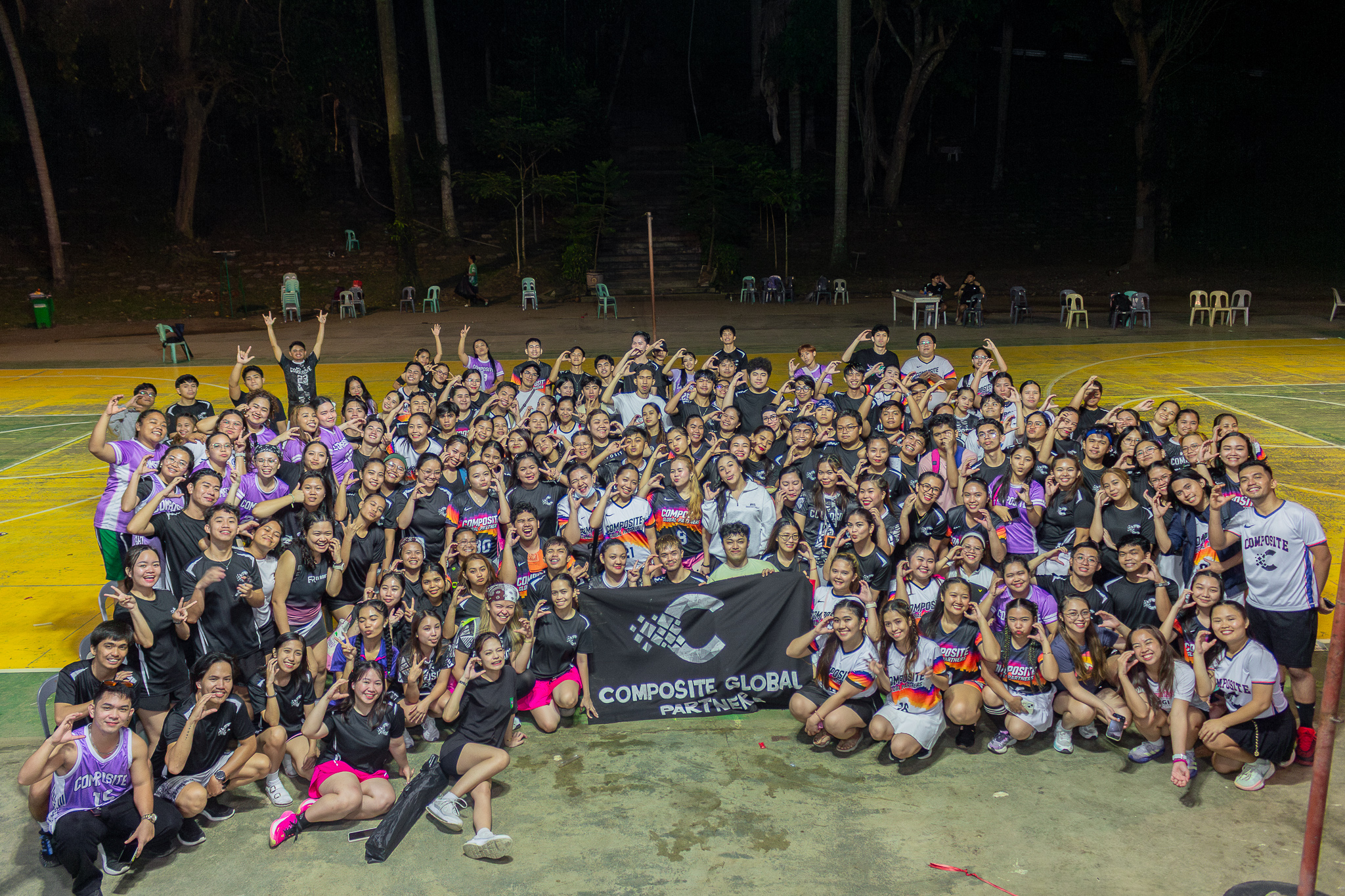

Virtual assistants in the Philippines have become the preferred choice for businesses looking to scale efficiently without sacrificing quality. Whether you’re a startup, a growing real estate team, or an established company, Filipino Virtual Assistants offer a unique combination of technical expertise, excellent English communication skills, cultural compatibility, and cost-effective support. These advantages have helped position the Philippines as one of the world’s leading destinations for Virtual Assistant services.
The world of business has evolved — and so has the way we work. Over the past decade, Virtual Assistance has become an essential part of modern operations. From administrative tasks to digital marketing, businesses across the globe are increasingly relying on remote professionals to keep things running efficiently.
With this surge in demand, companies are no longer just looking for affordable help — they’re seeking skilled, English-speaking professionals who understand global standards, communicate effectively, and deliver consistent results.
This is where the Philippines stands out. The country has become the global hub for Virtual Assistants, thanks to its unique combination of cultural compatibility, strong communication skills, and a deeply ingrained service-oriented mindset.
Key Advantages of Virtual Assistants in the Philippines
Several factors have made the Philippines the preferred destination for businesses seeking reliable Virtual Assistants. Below are the key advantages that continue to attract companies worldwide.
Cost-Effectiveness: Quality Work That Doesn’t Break the Bank
One of the biggest reasons businesses around the world turn to Filipino Virtual Assistants is cost-efficiency — without compromising quality.
Because the cost of living in the Philippines is significantly lower than in Western countries, companies can hire highly skilled professionals at just a fraction of local hiring costs. On average, businesses save 50–70% on staffing expenses, making it an especially smart choice for startups and small-to-medium enterprises (SMEs) looking to grow sustainably.
But affordability isn’t the only draw. Virtual Assistant in the Philippines are known for delivering top-tier work, from administrative support to creative and technical services. It’s the perfect balance — world-class results at cost-effective rates.
A Highly Skilled, English-Proficient Workforce
Filipino Virtual Assistants bring much more to the table than affordability — they’re educated, adaptable, and globally competitive. With English as an official language, the Philippines consistently ranks among the top countries for English proficiency (22nd out of 116 nations in the 2024 EF English Proficiency Index). This means smooth communication and fewer misunderstandings, even across time zones and cultural boundaries.
The country’s education system, heavily influenced by Western business and communication practices, produces graduates who are tech-savvy and business-ready. Many VAs hold degrees in fields like IT, marketing, accounting, and business administration, allowing them to take on specialized roles with confidence.
From digital marketing and customer service to graphic design, bookkeeping, and e-commerce support, Filipino Virtual Assistants offer a wide range of skills that make them an indispensable part of global teams.
Cultural Compatibility and Strong Work Ethic
Cultural alignment plays a huge role in successful remote work relationships — and this is where Filipinos truly shine.
Thanks to the longstanding ties between the Philippines and the United States, Filipinos have developed a deep understanding of Western values, humor, and workplace etiquette. This makes collaboration smooth, natural, and enjoyable.
On top of that, Filipinos are known for their dedication, reliability, and resilience. Rooted in a family-oriented culture, they take pride in hard work and see professional success as a way to uplift their loved ones.
And of course, the country’s trademark hospitality translates beautifully into the workplace. Filipino Virtual Assistants are warm, service-oriented, and genuinely care about client satisfaction — often going the extra mile to ensure success.
Strong Infrastructure and Government Support
Behind the success of Filipino Virtual Assistants lies a robust digital ecosystem that’s been growing for decades.
The Philippines’ Business Process Outsourcing (BPO) industry, which began gaining traction in the early 2000s, laid the groundwork for today’s VA sector. This industry provided the technology, management experience, and global mindset that now power the country’s remote workforce.
The Philippine government continues to back this growth through initiatives led by the Department of Information and Communications Technology (DICT) — offering digital skills training, infrastructure improvements, and programs that promote freelancing and online work.
As remote work became the new norm, especially after the COVID-19 pandemic, both independent freelancers and outsourcing firms in the Philippines have risen to meet global demand — solidifying the country’s reputation as the world’s top hub for Virtual Assistance.
The Future of the Filipino VA Industry
The Philippines may already be the global hub for Virtual Assistants, but the industry is far from slowing down — it’s evolving. In the coming years, the demand for highly specialized Filipino Virtual Assistants will continue to grow, particularly in areas like e-commerce, digital marketing, project management, and tech support — sectors identified as key growth areas in the country’s outsourcing landscape (Market Research Philippines).
As AI and automation become more integrated into daily workflows, Filipino professionals are expected to shift toward handling more complex, creative, and strategic tasks that technology can’t replicate. Industry leaders have noted that rather than replacing workers, AI will reshape roles, pushing the workforce toward higher-value services (Rest of World; IMF Working Paper).
Beyond startups, large corporations are also expected to increase their reliance on offshore Filipino talent for both specialized and administrative support — a trend reflected in the continued expansion of the country’s IT-BPM sector, which is projected to reach USD 61 billion by 2030, indicating large-scale growth and increased corporate reliance on Philippine-based talent (Outsource Accelerator).
To stay competitive, the next wave of Filipino VAs will need to focus on training and professional certification, ensuring they stay equipped with the latest tools and expertise. The Department of Information and Communications Technology (DICT) continues to lead national initiatives, such as the SPARK program, which promotes digital upskilling and remote work readiness (Philippine News Agency).
With continuous learning, tech adaptation, and global demand on the rise, the Philippines is well-positioned to remain the world’s top destination for Virtual Assistance in the years ahead.